

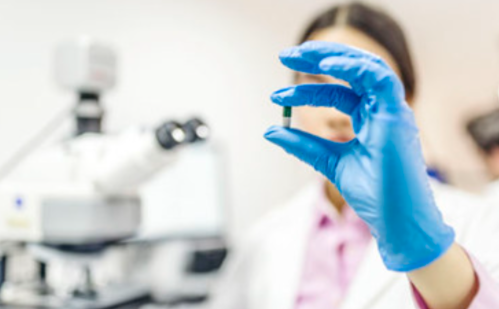
Bringing a new medicine to the point where it helps patients is a long, detailed process. At every stage—from the initial idea for a molecule to rigorous testing with patients—researchers must make choices that have big implications for time, cost, and patient outcomes. The University of North Texas Health Science Center at Fort Worth stands at the forefront of advancing how we make those choices, showing that careful decision-making in Drug Discovery and Development can change the future of medicine.
Understanding the Drug Discovery and Development Process
Drug discovery starts with a challenge. Scientists need to find or design compounds that can positively affect the way our bodies function, especially when disease disrupts normal pathways. From there, the long path to an approved treatment unfolds:
- Target identification and validation (“What part of the body’s biology can we safely influence?”)
- Hit and lead compound discovery (Finding promising molecules)
- Preclinical testing (Using cell lines or animal models to screen for safety and efficacy)
- Clinical development (Testing in humans, from small safety studies to large-scale trials)
Throughout, every major step relies on making well-informed decisions. Uncovering which compound to move forward and what studies to prioritize makes all the difference.
Using Data to Guide Smart Choices in R&D
At the University of North Texas Health Science Center at Fort Worth, researchers leverage robust datasets, analytic tools, and decades of collective experience to enhance every phase of drug development. Modern R&D teams do more than run experiments. They make practical, strategic choices rooted in data.
- Early Predictive Analytics: By combining data from biology, chemistry, and earlier trials, teams can identify which candidate molecules are more likely to succeed.
- Adaptive Clinical Trials: With real-time data analysis, clinical studies can shift their focus quickly, enrolling different types of volunteer participants or focusing on more effective treatments.
- Risk Assessment: Predictive modeling highlights which projects are most likely to generate positive results, so limited funding goes where it will have the maximum impact.
Real Examples of Data-Driven Decisions
Suppose a team finds several molecules that might help treat hypertension. Rather than advancing all or making choices by guesswork, they tap into data from previous studies, chemical structure-activity relationships, and even large patient databases. This approach reduces wasted effort and focuses resources on the most promising possibilities.
Another example comes from early toxicology screening. Advanced statistical models spot red flags before animal or human studies begin. MS-DDD cautionary signals protect future trial participants and help researchers avoid expensive missteps.
Collaboration and the Role of the Health Science Center
The University of North Texas Health Science Center at Fort Worth fosters collaboration among laboratory scientists, physicians, and clinical trial experts. This multidisciplinary environment ensures decisions don’t just reflect one viewpoint but integrate perspectives from all corners of R&D. This teamwork accelerates drug development while pursuing the highest standards of safety and effectiveness.
Building a Smarter Path to New Medicines
The pathway from idea to market for a new therapy will always involve uncertainty. But by using careful, data-driven decision-making, organizations can control risk and improve the odds of clinical success. The work at the University of North Texas Health Science Center at Fort Worth is a model for modern R&D teams everywhere, underscoring that the road to tomorrow’s innovative therapies lies in informed, thoughtful action at every step.
Further Resources for R&D Professionals
To keep research and development efforts moving forward, it’s essential to stay current with the latest methods in data analysis and trial design. Consider exploring upcoming webinars, journal articles, and collaborative networks supported by leading research universities.
