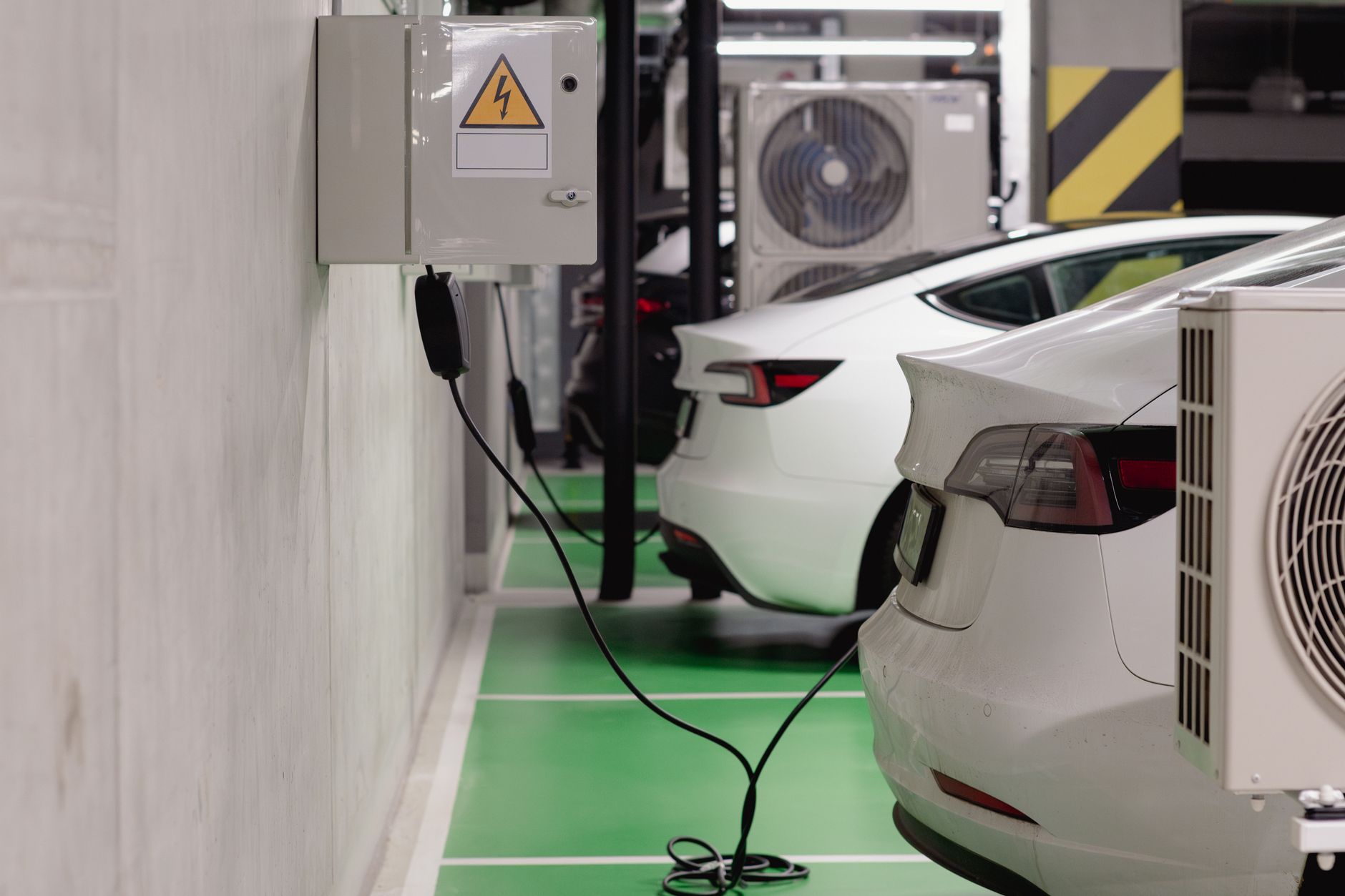
EV battery swapping is becoming a game changer for delivery partners as Instamart strengthens its ecosystem. This innovative approach aims to enhance efficiency and sustainability in the delivery process.
What is EV Battery Swapping?
EV battery swapping is an innovative solution designed to address the challenges faced by electric vehicle users, particularly in the delivery sector. This method allows drivers to quickly exchange a depleted battery for a fully charged one at designated swapping stations, minimizing downtime and enhancing operational efficiency.
Unlike traditional charging, which can take hours, battery swapping can be completed in just a few minutes. This is especially beneficial for delivery partners who rely on their vehicles for timely service. By implementing battery swapping infrastructure, companies like Instamart are paving the way for a more robust EV ecosystem.
The process typically involves the following steps:
- Arrival at the Station: The delivery vehicle arrives at a battery swapping station.
- Battery Exchange: The depleted battery is removed and replaced with a fully charged one.
- Departure: The driver can quickly get back on the road, maximizing productivity.
This system not only enhances convenience but also addresses the issue of battery range anxiety, making electric vehicles a more viable option for delivery services.
Benefits of Battery Swapping
Battery swapping technology is emerging as a game changer for delivery partners in the electric vehicle (EV) sector. This innovative approach offers several benefits that enhance operational efficiency and sustainability.
- Reduced Downtime: With EV battery swapping, delivery partners can quickly exchange depleted batteries for fully charged ones, minimizing the time vehicles spend off the road.
- Cost Efficiency: The ability to use a common battery pool reduces the initial investment in individual batteries, making electric vehicles more affordable for businesses.
- Extended Vehicle Lifespan: Regular battery maintenance and swapping can prolong the life of the EV, ensuring that delivery partners get the most out of their investments.
- Scalability: As demand for electric delivery options grows, battery swapping provides a scalable solution, allowing companies to expand their fleets without the burden of charging infrastructure.
- Environmental Impact: By facilitating the use of EVs, battery swapping contributes to reduced greenhouse gas emissions, aligning with sustainability goals for businesses.
In summary, EV battery swapping presents a smart solution for delivery partners, addressing key challenges and paving the way for a more efficient and eco-friendly logistics future.
How Instamart is Leading the Charge
Instamart is making significant strides in the world of electric vehicles by implementing an innovative EV battery swapping infrastructure tailored for its delivery partners. This initiative not only enhances efficiency but also supports sustainability efforts across the logistics sector.
The company has strategically placed battery swapping stations at key locations, allowing delivery personnel to quickly exchange depleted batteries for fully charged ones. This reduces downtime and ensures that delivery vehicles remain operational throughout the day, ultimately improving service reliability.
Moreover, Instamart’s commitment to advancing the electric vehicle ecosystem is evident in its partnerships with various stakeholders, including battery manufacturers and local governments. This collaborative approach aims to create a robust network that supports the growing demand for electric delivery solutions.
In addition to operational benefits, Instamart is also focused on educating its partners about the advantages of battery swapping. By providing training and resources, the company empowers delivery partners to transition smoothly to electric vehicles, reinforcing its position as a leader in the sustainable delivery landscape.
As Instamart continues to expand its battery swapping capabilities, it sets a benchmark for other companies looking to embrace eco-friendly practices in their delivery operations.
Challenges in EV Infrastructure
The expansion of electric vehicle (EV) infrastructure has not been without its challenges, particularly in the context of battery swapping. One significant issue is the limited availability of battery swapping stations. Many regions still lack the necessary infrastructure to support widespread adoption, making it difficult for delivery partners to fully embrace the technology.
Additionally, there are regulatory hurdles that can slow down the implementation of battery swapping systems. Local governments may have varying requirements for the installation and operation of these stations, which can create inconsistencies and complicate logistics for companies like Instamart.
Furthermore, the standardization of battery designs is crucial for the success of battery swapping. Currently, different manufacturers produce batteries with varying specifications, leading to compatibility issues. If a universal standard is not established, it could hinder the efficiency and reliability of EV battery swapping.
Lastly, public perception plays a vital role in the adoption of this technology. Many consumers remain skeptical about the safety and reliability of battery swapping, which could affect their willingness to transition to electric delivery vehicles. Addressing these challenges is essential for realizing the full potential of EV battery swapping within the delivery sector.
Future of Electric Delivery Services
The future of electric delivery services looks promising as companies increasingly adopt innovative solutions to enhance efficiency and sustainability. One such solution gaining traction is EV battery swapping, which addresses the limitations of traditional charging methods. With the rise of e-commerce and the demand for rapid delivery, delivery partners are seeking ways to maintain operational efficiency while reducing downtime.
As battery-swapping stations become more widespread, the logistics of electric delivery will transform significantly. Delivery partners will no longer need to wait for hours to charge their vehicles. Instead, they can quickly exchange exhausted batteries for fully charged ones, minimizing delays and ensuring timely deliveries. This shift not only optimizes delivery times but also contributes to reducing carbon emissions.
Moreover, integrating battery swapping into electric delivery fleets can lead to enhanced vehicle utilization. Delivery partners can operate more vehicles without the concern of charging infrastructure limitations. With the support of companies like Instamart, the adoption of EV battery swapping is set to reshape the delivery landscape, making it more efficient and environmentally friendly.
As technology continues to evolve, the future of electric delivery services looks brighter, marked by smarter solutions that cater to both businesses and customers alike.
Comparing Charging vs. Swapping
As the electric vehicle (EV) market continues to expand, delivery partners face a crucial decision: traditional charging or innovative battery swapping? Both methods aim to enhance operational efficiency, but they differ significantly in execution and benefits.
Charging requires vehicles to be plugged into a power source, which can lead to downtime. This method usually takes hours, making it less suitable for businesses that rely on quick turnaround times. Additionally, the availability of charging stations can be a challenge, particularly in urban areas.
On the other hand, battery swapping offers a rapid solution. Delivery partners can quickly exchange a depleted battery for a fully charged one in just a few minutes. This minimizes downtime and maximizes productivity, allowing for more deliveries in less time. Furthermore, battery swapping stations can be strategically placed, reducing range anxiety and ensuring that EVs remain operational throughout the day.
In essence, while traditional charging has its place, EV battery swapping emerges as a more efficient alternative for delivery partners. By adopting this innovative approach, they can enhance their service capabilities and respond faster to customer demands.
Conclusion: The Road Ahead
As the electric vehicle (EV) market continues to evolve, EV battery swapping emerges as a pivotal solution for enhancing operational efficiency among delivery partners. The challenges posed by traditional charging methods have highlighted the necessity for innovative approaches that can keep up with the demand for quick and reliable service.
With companies like Instamart investing in robust battery swapping infrastructures, the potential for streamlined operations is becoming a reality. Delivery partners are now better equipped to minimize downtime, ensuring that their vehicles remain on the road longer and meet customer expectations effectively.
Furthermore, as the technology surrounding battery swapping advances, we can anticipate a future where EVs play an even more significant role in sustainable logistics. By prioritizing battery swapping, delivery services can not only enhance their efficiency but also contribute to reducing their carbon footprint.
In conclusion, the road ahead for EV battery swapping appears promising. As more businesses recognize its benefits and adopt this model, we are likely to see a transformative shift in how goods are delivered, paving the way for a greener and more efficient future in urban transportation.
As the demand for efficient delivery solutions grows, EV battery swapping has emerged as a game-changing option for delivery partners. By utilizing EV battery swapping, companies can significantly reduce downtime and enhance their operational efficiency.
Photo by Jakub Zerdzicki on Pexels
Where this came from
Related reading
Tata Aeris images: The Best Look at Its Proven Design · Is Bentley’s Electric Car the Best Choice for You? · Nissan Sylphy EV India: Is It Worth the Hype?