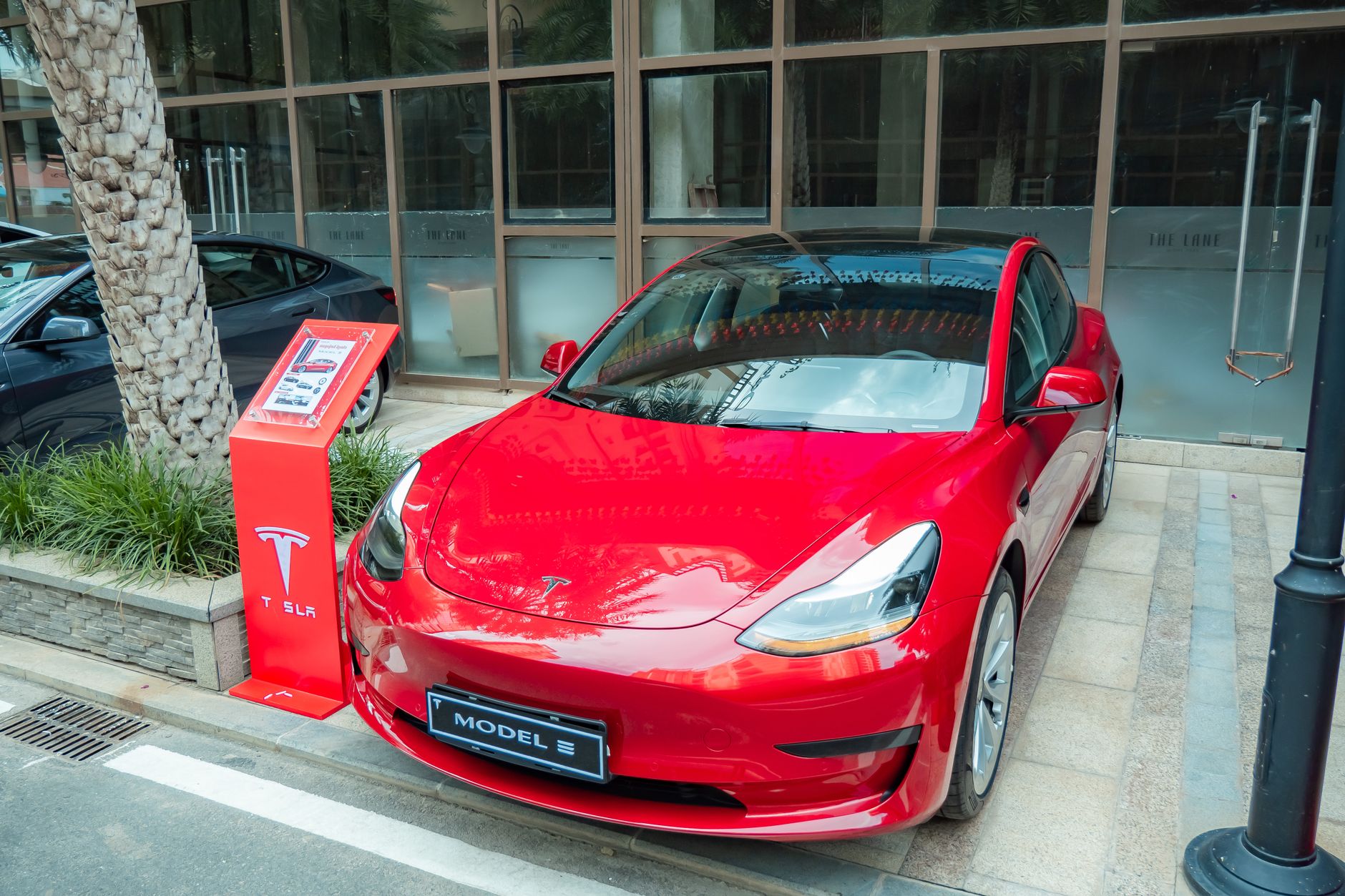
Flying car Tesla is the latest innovation unveiled by the company, showcasing a future of transportation that is both exciting and complex.
What is the flying car Tesla?
The flying car Tesla has captured the imagination of tech enthusiasts and industry experts alike. This innovative vehicle, which combines the features of a traditional car with those of an aircraft, promises to revolutionize personal transportation. With Tesla’s reputation for cutting-edge technology and design, many are excited to see how this new venture unfolds.
According to reports, the flying car Tesla is equipped with advanced propulsion systems, allowing it to take off and land vertically. This capability could alleviate issues related to traffic congestion in urban areas, providing a new dimension to commuting. However, it is important to note that the consumer rollout is likely still years away, as regulatory hurdles and safety standards must be addressed.
Some key features of the flying car Tesla include:
- Vertical Takeoff and Landing (VTOL): Enables operation in limited spaces.
- Autonomous Navigation: Built-in technology for automated flying.
- Eco-Friendly Design: Electric-powered to reduce carbon emissions.
As Tesla continues to develop this ambitious project, the anticipation grows for what could be one of the best innovations in transportation yet.
How does Tesla’s flying car work?
Tesla’s flying car, a groundbreaking innovation in personal transportation, operates on a unique blend of advanced aerodynamics and cutting-edge technology. The vehicle utilizes a hybrid design that incorporates both traditional automotive features and aerial capabilities. This allows it to transition smoothly between driving on the road and flying in the air.
Key features of Tesla’s flying car include:
- Vertical Takeoff and Landing (VTOL): This capability enables the car to take off and land in tight spaces, making it suitable for urban environments.
- Electric Propulsion: Powered by Tesla’s renowned electric motors, the flying car aims to reduce carbon emissions, promoting a more sustainable future.
- Autonomous Navigation: Utilizing Tesla’s advanced AI, the vehicle can navigate both roadways and airspace autonomously, ensuring safety and efficiency.
- Smart Connectivity: The flying car is equipped with real-time data sharing, allowing for communication with other vehicles and traffic management systems.
While the concept of a flying car Tesla is exciting, experts predict that widespread consumer rollout is still several years away, as regulatory and technological hurdles need to be addressed.
When will the flying car Tesla be available?
As excitement builds around the groundbreaking concept of the flying car Tesla, many are eager to know when they might actually get their hands on one. According to recent announcements from the company, while prototypes have been showcased, a consumer rollout is still likely several years away.
Experts suggest that the timeline for bringing a flying car to market involves a series of significant hurdles, including:
- Regulatory challenges: Aviation regulations are strict, and Tesla will need to navigate these to ensure safety and compliance.
- Technological advancements: While Tesla has made strides in electric vehicle technology, adapting this for flight will require further innovations.
- Infrastructure development: The successful implementation of flying cars hinges on the creation of necessary infrastructure, such as designated takeoff and landing zones.
Moreover, public perception and acceptance of flying vehicles will play a crucial role in their adoption. As Tesla continues to refine its designs and address these challenges, enthusiasts may have to wait a bit longer to experience the reality of flying cars.
The future of flying cars in transportation
The future of flying cars in transportation is a topic that has captured the imagination of many, especially with innovations like the flying car Tesla. As urban areas become increasingly congested, the need for alternative modes of transportation has never been more pressing. Flying cars could potentially alleviate traffic woes by taking advantage of vertical space and air routes.
Experts believe that the integration of flying cars into everyday life will not only revolutionize personal travel but also impact various industries, including logistics and emergency services. Companies are investing heavily in research and development, aiming to create vehicles that are safe, efficient, and accessible.
However, several challenges remain before flying cars can become a common sight in our skies. Regulatory frameworks must be established to ensure safety, air traffic management systems need upgrades, and public acceptance is crucial for widespread adoption. Moreover, infrastructure for takeoff and landing will require significant investment.
- Potential benefits include:
- Reduced travel time.
- Less road congestion.
- Environmental advantages if powered by clean energy.
As we look to the sky for future transportation solutions, the flying car Tesla represents just the beginning of this exciting evolution.
Photo by Vladimir Srajber on Pexels
Sources
You might also like
Ferrari Luce features: Is it the best all-electric Ferrari? · Hybrid SUV mileage: Best proven options for eco-friendly driving · U.S. Banks Reject AI Agents: The Worst Move for Money Transfers