

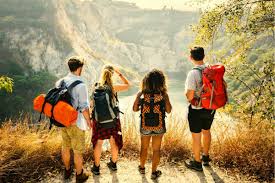
The growing interest in Gap Year Volunteer Programs has sparked conversations about the value of hands-on global experiences. Students are increasingly motivated by opportunities that allow them to develop practical skills while making measurable contributions to communities abroad. As more young people seek meaningful engagement beyond academics, the concept of a purpose-driven gap year has become a vital part of modern education planning. The emphasis is no longer only on travel but on the ability to understand diverse cultures, support community efforts, and enhance personal development through real-world involvement.
What Motivates Students to Choose a Volunteer-Based Gap Year?
A volunteer-focused gap year appeals to students who want structured experiences with clear impact. Many participants view this time as a chance to connect with global issues instead of merely observing them. Some are driven by the desire to improve cross-cultural communication skills, while others want exposure to social challenges that are often discussed only in theory. Volunteering abroad provides an active learning environment where students can apply teamwork, adaptability, and problem-solving in settings that differ from their own familiar contexts.
Additionally, many students see this year as a strategic pause before academic or career transitions. It offers space to explore personal interests, gain confidence, and understand the responsibilities involved in global citizenship. The desire to contribute positively to communities and to learn from lived experiences becomes a strong motivator in choosing volunteer pathways.
How Do These Programs Create Real Community Impact?
When structured responsibly, gap year volunteer programs can support local initiatives in education, environmental conservation, community development, and healthcare outreach. Rather than short-term participation, many programs encourage sustainable involvement by aligning student tasks with long-term community goals. This approach allows students to add value without disrupting local processes.
For example, educational support projects may involve assisting teachers, helping with language development activities, or supporting extracurricular learning. Environmental initiatives often include participation in reforestation, beach clean-ups, biodiversity monitoring, or awareness campaigns. These activities help students understand ecological challenges firsthand and contribute to ongoing local solutions.
The measurable impact often appears not only in community benefits but also in how students develop a deeper understanding of global interdependence. The combination of collaboration, immersion, and accountability leads to stronger awareness of how sustainable contributions are built.
What Skills Do Students Gain Through Volunteer-Focused Gap Years?
A volunteer gap year is an opportunity to gain skills that are difficult to develop in traditional academic environments. Students often improve their communication skills by working with diverse teams and engaging with local communities. Exposure to different living conditions and cultural environments strengthens adaptability and emotional resilience.
Leadership skills also grow as students take on responsibilities, manage tasks, and participate in group projects. Many develop project-management abilities as they learn to organize resources and work toward shared goals. Problem-solving becomes a daily exercise, especially when navigating unfamiliar surroundings or supporting community-led programs.
These skills collectively enhance future academic and career readiness while shaping students into more globally aware individuals.
Is a Volunteer Gap Year the Right Choice for Students Seeking Positive Global Contribution?
For students aiming to create meaningful change while broadening their worldview, volunteer-based gap year programs offer a structured and impactful path. They provide a balance of personal growth, practical experience, and cultural immersion. The blend of learning and contribution makes this option particularly appealing in a world where global understanding and responsibility are increasingly valued.
Choosing a volunteer gap year is ultimately a commitment to learning through action. It allows students to build awareness, cultivate purpose, and understand their potential role in addressing global challenges. For those ready to step beyond the classroom and participate actively in community initiatives, these programs present a valuable opportunity to contribute positively while shaping their own future direction.