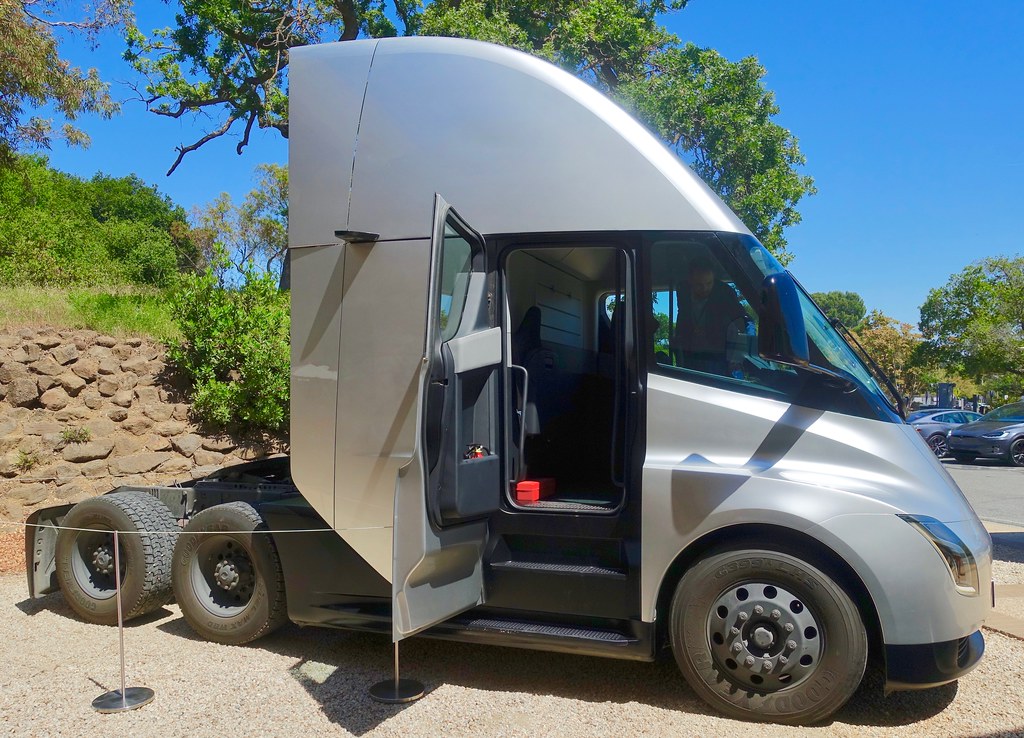
Tesla Semi production is finally here, marking a significant milestone for the electric vehicle industry. After seven years of delays, Tesla is set to ramp up its manufacturing efforts, aiming to redefine the trucking landscape.
Overview of Tesla Semi Production
The long-awaited Tesla Semi production has finally commenced, marking a significant milestone for the electric truck industry. After an extensive delay of seven years, Tesla is poised to revolutionize the market with its innovative electric trucks.
With the official launch of volume production, the company aims to address growing demand for sustainable transportation solutions. The Tesla Semi is designed to offer impressive range, efficiency, and performance, making it a compelling option for fleet operators looking to reduce their carbon footprint.
Key features of the Tesla Semi include:
- Impressive Range: Capable of traveling up to 500 miles on a single charge.
- Cost Efficiency: Lower operational costs compared to traditional diesel trucks.
- Enhanced Safety: Equipped with advanced safety features and autonomous driving capabilities.
This production phase signals a new era for Tesla and the electric trucking sector.
Challenges in Electric Truck Manufacturing
The manufacturing of electric trucks, particularly the Tesla Semi production, faces several significant challenges that impact the industry as a whole.
These challenges include:
- Supply Chain Disruptions: The ongoing global supply chain issues have made it difficult for manufacturers to source essential components.
- Battery Technology: The need for advanced battery technology to ensure longer ranges and faster charging times remains a hurdle.
- Infrastructure Development: The lack of charging infrastructure specifically designed for electric trucks creates concerns for potential buyers.
- Regulatory Hurdles: Navigating through various regulations and compliance standards can delay the manufacturing process.
These factors contribute to the complexity of scaling up production and meeting market demands for electric trucks.
Market Impact of Tesla’s New Truck
The market impact of Tesla’s new truck is significant as the Tesla Semi production ramps up. Industry experts suggest that this electric truck could revolutionize logistics and freight transportation. Key points include:
- Increased Efficiency: The Tesla Semi is designed to reduce operating costs, offering higher efficiency compared to traditional diesel trucks.
- Environmental Benefits: With zero tailpipe emissions, Tesla’s electric trucks contribute to a cleaner environment, aligning with global sustainability goals.
- Competitive Pressure: Tesla’s entry into the electric truck market may push competitors to accelerate their own electric vehicle programs.
- Job Creation: As production ramps up, there are potential job opportunities in manufacturing and service sectors related to electric trucks.
Overall, the Tesla Semi production is poised to disrupt the market, fostering innovation and changes in transportation dynamics.
Future of Electric Vehicles in Logistics
The future of electric vehicles in logistics is increasingly shaped by advancements in technology and infrastructure. As Tesla Semi production ramps up, the logistics industry can expect significant transformations in freight transportation.
Some key factors influencing this shift include:
- Cost Efficiency: Electric trucks, like the Tesla Semi, promise lower operating costs due to reduced fuel expenses and maintenance needs.
- Environmental Impact: With a growing emphasis on sustainability, companies are turning to electric trucks to minimize their carbon footprint.
- Government Incentives: Many governments are providing tax breaks and subsidies to encourage the adoption of electric vehicles in logistics.
- Infrastructure Development: The expansion of charging networks is essential for supporting the widespread use of electric trucks.
As these factors converge, the logistics sector is poised for a transformative shift with electric trucks leading the way.
By jurvetson via Openverse