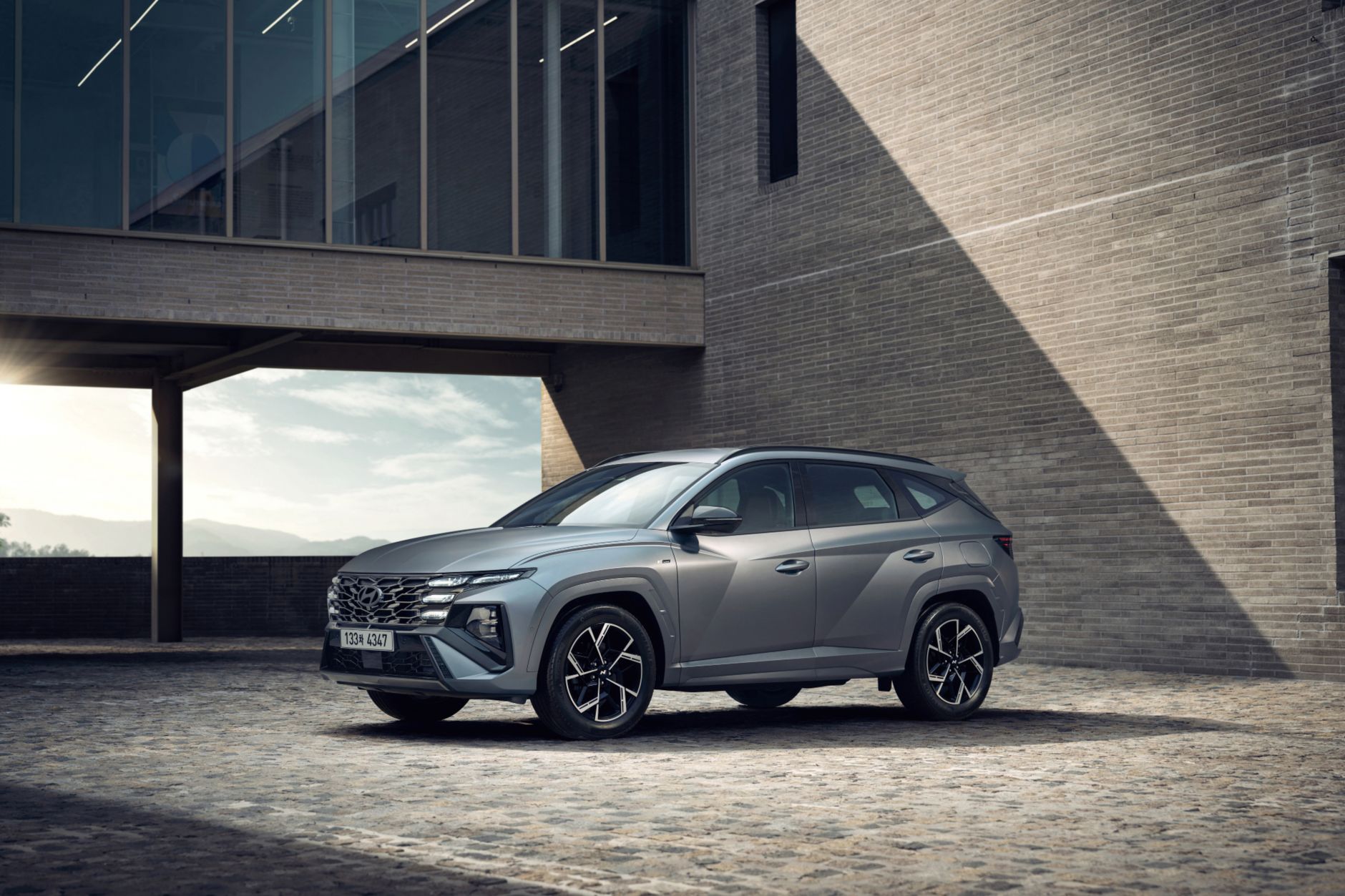
The 100% ethanol car is making headlines as it prepares for its launch in October. This innovative vehicle aims to revolutionize the way we think about fuel and sustainability.
What is the 100% Ethanol Car?
The 100% ethanol car represents a significant advancement in sustainable transportation. This innovative vehicle runs entirely on ethanol, a renewable fuel derived from plant materials. Ethanol is not only a cleaner alternative to traditional fossil fuels but also plays a crucial role in reducing greenhouse gas emissions.
With a growing emphasis on environmental responsibility, the launch of the 100% ethanol car is seen as a pivotal moment in the automotive industry. This car is designed to meet the increasing demand for eco-friendly vehicles, contributing to a shift towards greener energy sources. The use of 100% ethanol can lead to a substantial decrease in air pollutants, making it an appealing option for urban areas plagued by smog and poor air quality.
Moreover, the production of ethanol supports agricultural economies, creating jobs and promoting sustainable farming practices. The fuel is produced from crops like sugarcane, corn, and other biomass, which can be grown and harvested sustainably.
In summary, the 100% ethanol car not only offers a low-emission alternative for drivers but also fosters economic growth and environmental stewardship. As more manufacturers invest in this technology, it is likely that we will see an increase in the availability and popularity of ethanol-powered vehicles in the near future.
Gadkari’s Vision for Sustainable Transport
Union Minister Nitin Gadkari has outlined an ambitious vision for sustainable transport in India, emphasizing the importance of transitioning to greener alternatives. With the upcoming launch of the 100% ethanol car in October, Gadkari aims to reduce the nation’s dependence on fossil fuels and promote cleaner energy sources.
In his address, Gadkari highlighted several key benefits associated with the shift to ethanol-powered vehicles:
- Environmental Impact: Ethanol is a renewable energy source that can significantly lower greenhouse gas emissions compared to traditional petrol and diesel vehicles.
- Energy Independence: By producing ethanol domestically, India can reduce its reliance on imported oil, enhancing national energy security.
- Economic Growth: The production of ethanol can boost agricultural sectors, providing farmers with an additional source of income by utilizing surplus crops.
- Technological Innovation: The development of 100% ethanol cars is expected to drive advancements in automotive technology, promoting research and development in alternative fuels.
Gadkari’s vision not only aligns with global sustainability goals but also positions India as a leader in the alternative energy revolution. The introduction of these vehicles marks a significant step towards achieving a greener future for transportation.
Benefits of Ethanol Fuel
The adoption of a 100% ethanol car presents numerous advantages that contribute to both environmental sustainability and economic growth. As countries strive to reduce their carbon footprints, ethanol fuel emerges as a viable alternative to traditional fossil fuels. Here are some key benefits:
- Reduced Emissions: Ethanol burns cleaner than gasoline, leading to lower greenhouse gas emissions. This transition can significantly impact air quality, especially in urban areas.
- Renewable Resource: Ethanol is derived from biomass, making it a renewable energy source. Utilizing agricultural products for fuel helps reduce dependence on finite fossil fuels.
- Economic Growth: The production of ethanol fuel can stimulate local economies by creating jobs in agriculture and manufacturing. This growth can be particularly beneficial in rural areas.
- Energy Security: By investing in ethanol production, countries can reduce their reliance on imported oil, enhancing their energy independence and security.
- Flexibility in Usage: Ethanol can be blended with gasoline or used in 100% ethanol cars, providing flexibility for consumers and manufacturers in adapting to new fuel technologies.
Embracing a 100% ethanol car aligns with global efforts to promote cleaner transportation and tackle climate change, making it a significant step towards a greener future.
How Will This Impact the Auto Industry?
The introduction of the 100% ethanol car is poised to significantly transform the auto industry by promoting sustainable practices and reducing dependence on fossil fuels. Industry experts believe that this move will encourage manufacturers to shift their focus towards alternative fuel vehicles, which can lead to a more diverse range of eco-friendly options for consumers.
As automakers begin to invest in research and development for ethanol-powered vehicles, we may see a surge in innovations related to fuel efficiency and engine performance. This shift is expected to create a ripple effect across various sectors, including:
- Manufacturing: A greater emphasis on sustainable materials and production processes.
- Job Creation: New positions in renewable energy sectors and ethanol production facilities.
- Infrastructure Development: Increased demand for biofuel refueling stations and related services.
Moreover, the 100% ethanol car could catalyze policy changes aimed at incentivizing the adoption of renewable energy. Governments may implement subsidies or tax breaks for consumers purchasing eco-friendly vehicles, further stimulating market interest.
Ultimately, the auto industry stands at the brink of a green revolution, with the 100% ethanol car leading the charge towards a more sustainable and environmentally conscious future.
Consumer Reactions to the Launch
As the launch of the 100% ethanol car approaches, consumer reactions have started pouring in, reflecting a mixture of excitement and skepticism. Many potential buyers view this innovative vehicle as a significant step towards environmental sustainability, with one enthusiastic consumer stating, “This is exactly what we need to combat climate change and reduce our reliance on fossil fuels.”
However, not all feedback has been positive. Some consumers express concerns about the availability of ethanol fuel and the infrastructure needed to support such vehicles. A recent survey indicated that 45% of respondents are unsure whether they would purchase a 100% ethanol car, citing worries about fuel accessibility and engine performance.
In addition to environmental benefits, many consumers are curious about the cost-effectiveness of owning a 100% ethanol car. Several individuals have pointed out that if ethanol prices remain competitive, the long-term savings on fuel could be substantial.
Moreover, early adopters are often driven by a desire to be at the forefront of green technology. An avid eco-enthusiast mentioned, “Driving a 100% ethanol car would not only reduce my carbon footprint but also make a statement about my commitment to sustainable living.”
As the launch date nears, the public’s interest continues to grow, indicating that the 100% ethanol car may indeed mark a turning point in the automotive landscape.
By Sweeter Alternative via Openverse