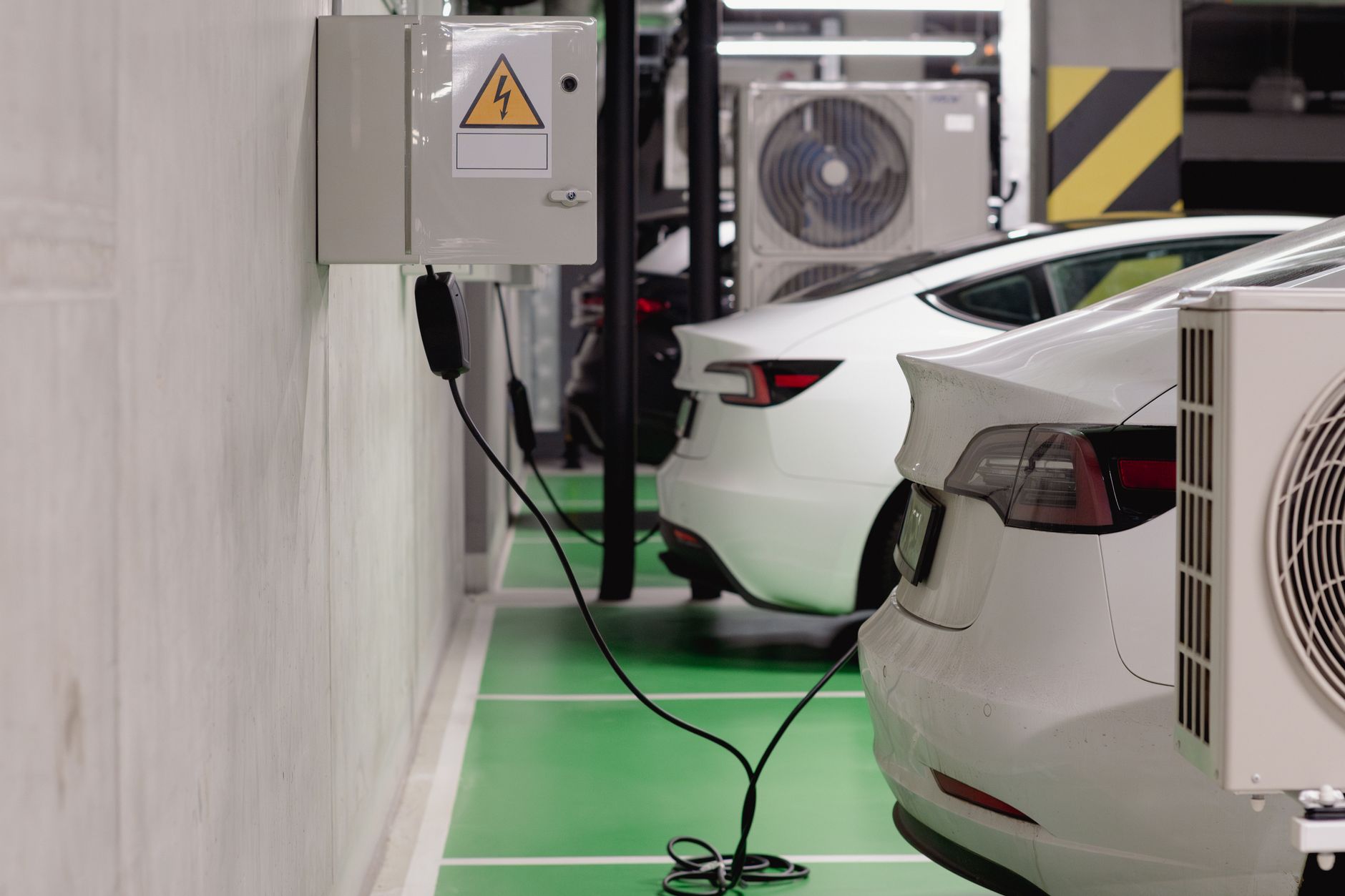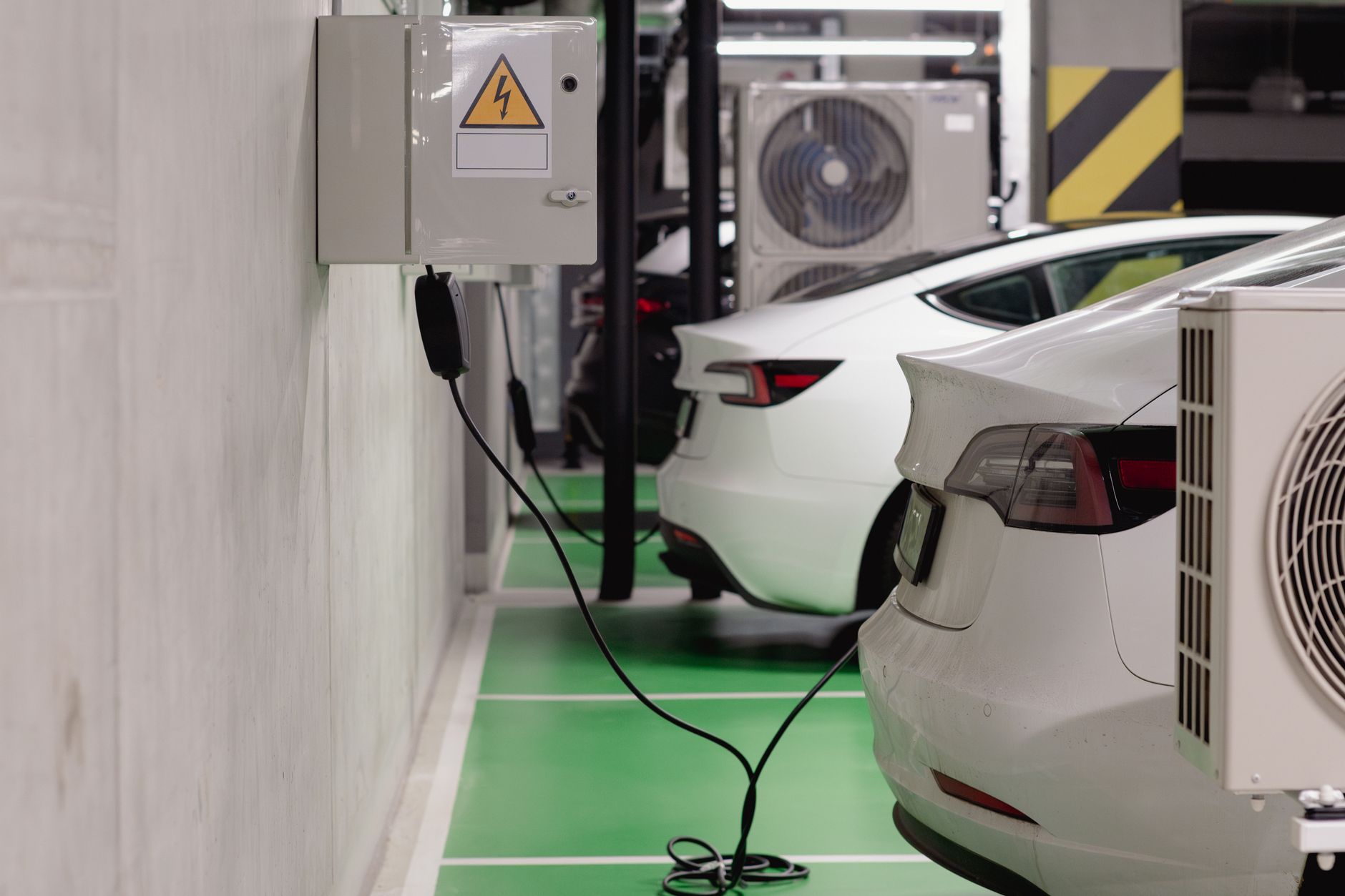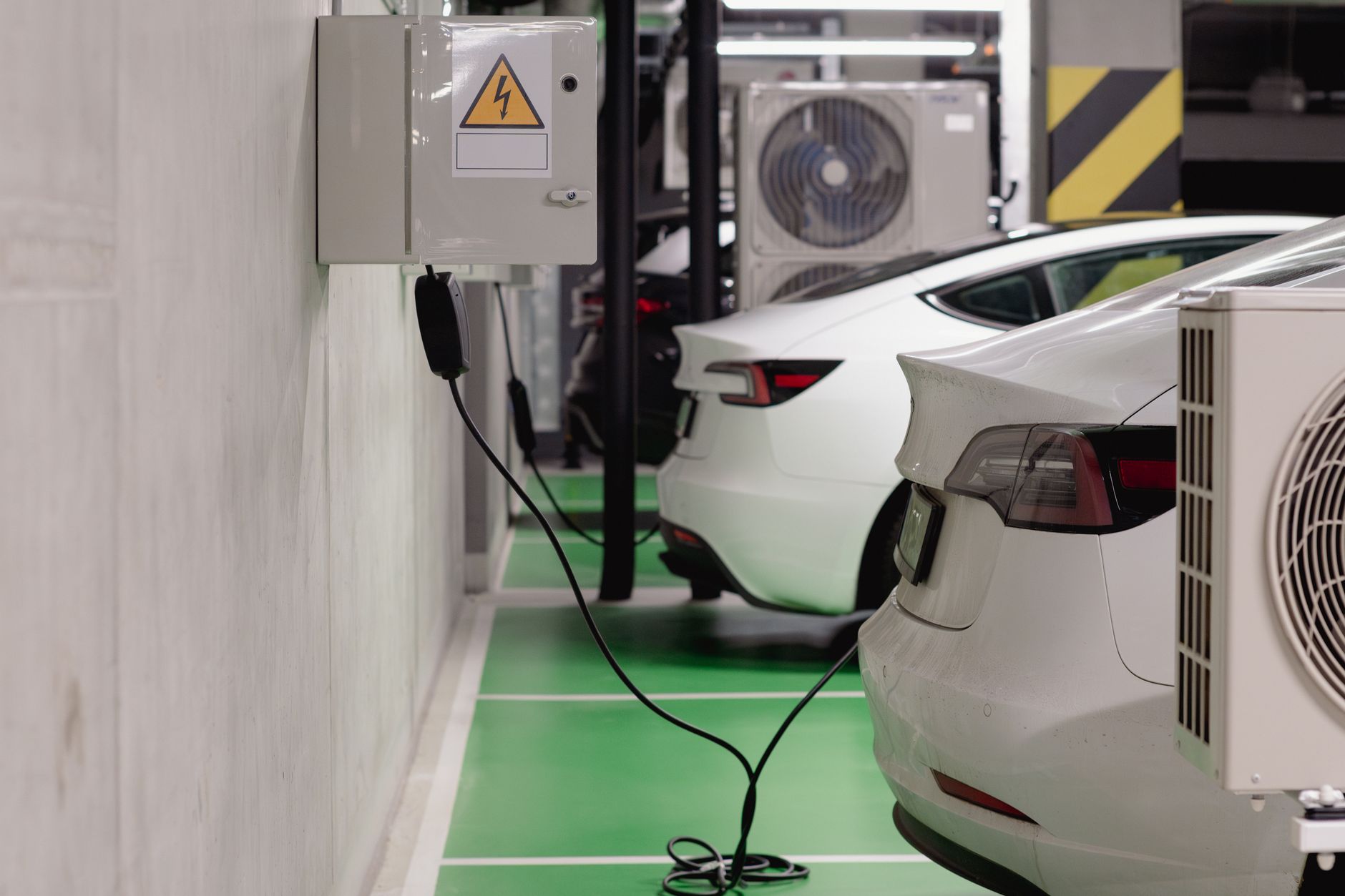
EV charging networks are crucial for the future of electric vehicles. The recent integration between Jio-bp and Kia India marks a significant step towards enhancing accessibility and convenience for EV users.
The Rise of Electric Vehicles
The rise of electric vehicles (EVs) has transformed the automotive landscape, making the need for robust EV charging networks increasingly vital. As more consumers shift towards sustainable transportation options, the demand for accessible and efficient charging solutions has surged. Major players in the industry, such as Jio-bp and Kia India, are stepping up to address this need by integrating their technologies to create comprehensive charging infrastructures.
Electric vehicle sales have seen remarkable growth, driven by environmental awareness and government incentives. This shift is not merely a trend but a significant change in consumer behavior. As a result, the expansion of charging networks is essential to ensure that EV owners can conveniently recharge their vehicles, alleviating concerns about range anxiety.
Furthermore, the collaboration between companies like Jio-bp and Kia India emphasizes the importance of partnerships in developing reliable charging stations. These initiatives not only enhance the availability of charging points but also improve the overall user experience. As the market continues to evolve, the establishment of widespread charging networks will play a crucial role in supporting the future of electric mobility.
Understanding Charging Networks
As electric vehicles (EVs) gain popularity, the importance of efficient EV charging networks becomes increasingly evident. These networks play a crucial role in supporting the growing number of EV drivers by providing accessible charging stations across various locations.
Charging networks can be categorized into three main types:
- Home Charging: Many EV owners opt for home charging solutions, allowing them to recharge their vehicles overnight. This is often the most convenient option.
- Public Charging: Public charging stations are strategically placed in urban areas, shopping centers, and highways, providing drivers with essential charging access during their daily routines or long trips.
- Fast Charging: Fast charging stations can significantly reduce the time required to recharge an EV, making them ideal for drivers on the go who need to quickly power up their vehicles.
Understanding these different types of charging networks can help drivers make informed decisions about their EV usage. The integration of services, as seen in the partnership between Jio-bp and Kia India, further enhances the accessibility and efficiency of EV charging networks.
Jio-bp’s Role in EV Infrastructure
Jio-bp, a strategic collaboration between Reliance Industries and BP, is significantly enhancing the landscape of EV charging networks in India. This partnership aims to establish a robust infrastructure that supports the growing demand for electric vehicles (EVs).
Through a series of initiatives, Jio-bp is focusing on creating a seamless charging experience for users. Their recent collaboration with Kia India exemplifies this commitment, as they work together to integrate charging solutions into vehicle offerings. This integration allows drivers to access a comprehensive network of charging stations, ensuring convenience and reliability.
As part of their strategy, Jio-bp plans to deploy fast chargers across various locations, addressing one of the core challenges faced by EV owners—charging availability. The company is also leveraging technology to provide real-time information on charger status and availability through mobile applications.
In addition to expanding the charging infrastructure, Jio-bp emphasizes customer engagement and education, helping drivers understand the advantages of using EV charging networks. This holistic approach not only supports the transition to electric mobility but also builds consumer confidence in adopting EVs.
Kia India’s Commitment to Sustainability
Kia India is making significant strides in promoting sustainability and enhancing the electric vehicle ecosystem in the country. As part of its commitment, Kia is partnering with Jio-bp to integrate EV charging networks, ensuring that drivers have access to reliable and efficient charging solutions.
This collaboration aims to address the challenges faced by electric vehicle owners, particularly the availability of charging infrastructure. By leveraging Jio-bp’s extensive network, Kia India is poised to provide seamless charging experiences for its customers. The partnership is expected to facilitate the growth of EV adoption among drivers who may have hesitated due to concerns about charging accessibility.
Moreover, Kia’s focus on sustainability extends beyond just vehicle production. The company is actively investing in research and development to enhance battery technologies and explore renewable energy solutions for charging stations. This holistic approach ensures that the EV charging networks not only support current needs but also pave the way for a greener future.
As electric vehicles become more mainstream, Kia India’s initiatives demonstrate how collaboration in the automotive sector can lead to more sustainable practices and help build a robust charging infrastructure for all drivers.
Benefits of Integrated Charging Solutions
The integration of EV charging networks offers numerous benefits to drivers and the environment alike. With the growing adoption of electric vehicles (EVs), having a reliable and expansive charging infrastructure is essential. Here are some key advantages of integrated charging solutions:
- Convenience: Integrated charging networks provide a seamless experience for drivers, allowing them to locate and access charging stations easily through mobile apps.
- Reduced Range Anxiety: The expansion of charging networks ensures that drivers can travel longer distances without fear of running out of battery power, promoting confidence in EV usage.
- Time Efficiency: Fast charging options within these networks enable drivers to recharge their vehicles quickly, minimizing downtime during long trips.
- Sustainability: By supporting the use of renewable energy sources, integrated charging solutions contribute to a reduction in carbon emissions, making EVs a more environmentally friendly choice.
- Cost-Effectiveness: Many charging networks offer competitive pricing, and some partnerships, like those between Jio-bp and Kia India, can provide incentives for users.
Overall, the development of robust EV charging networks is a significant step forward in supporting the growing electric vehicle market.
Future of EV Charging in India
The future of EV charging in India looks promising as the country embraces the shift towards electric mobility. With the increasing adoption of electric vehicles (EVs), the demand for robust EV charging networks is more critical than ever.
Several factors will shape this landscape:
- Government Initiatives: The Indian government is actively promoting electric vehicles through incentives and policies aimed at expanding charging infrastructure.
- Private Investments: Companies like Jio-bp and Kia India are investing heavily in developing charging networks, ensuring that drivers have access to convenient and reliable charging options.
- Technological Advancements: Innovations in charging technology, such as fast-charging stations and smart grid solutions, are set to enhance the efficiency of EV charging networks.
- Public Awareness: As consumers become more informed about the benefits of electric vehicles, the demand for comprehensive charging solutions will continue to grow.
In conclusion, the integration of EV charging networks will play a pivotal role in supporting India’s transition to sustainable transportation, making electric mobility more accessible for all drivers.
Consumer Impact of Charging Accessibility
The expansion of EV charging networks has a significant impact on consumers, particularly as the adoption of electric vehicles accelerates. One of the main concerns for potential EV owners is the accessibility of charging stations. The more extensive and reliable the charging networks become, the more confidence drivers will have in making the switch to electric.
Key factors influencing consumer sentiment include:
- Convenience: A widespread network of charging stations allows drivers to charge their vehicles easily, reducing range anxiety.
- Affordability: Integrated charging solutions can lead to reduced costs for consumers, as partnerships between companies like Jio-bp and Kia India enhance infrastructure.
- Time Efficiency: Fast-charging options within these networks mean that drivers can spend less time waiting for their vehicles to charge.
- Environmental Impact: As more consumers switch to electric vehicles, the overall reduction in carbon emissions aligns with growing sustainability goals.
Ultimately, the development of robust EV charging networks is crucial for promoting widespread electric vehicle adoption, fostering consumer trust, and supporting a sustainable future.
Photo by Jakub Zerdzicki on Pexels